
Last updated October 16, 2026
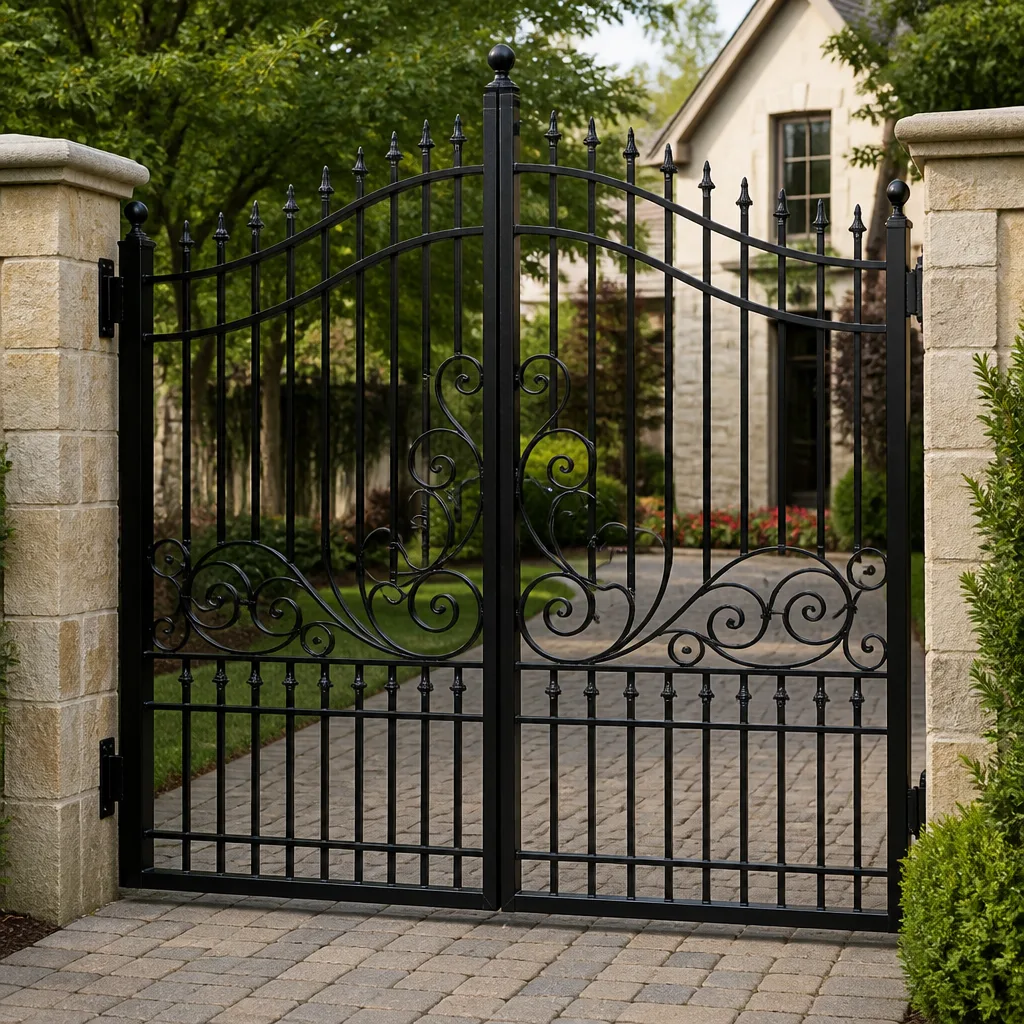 Wrought iron
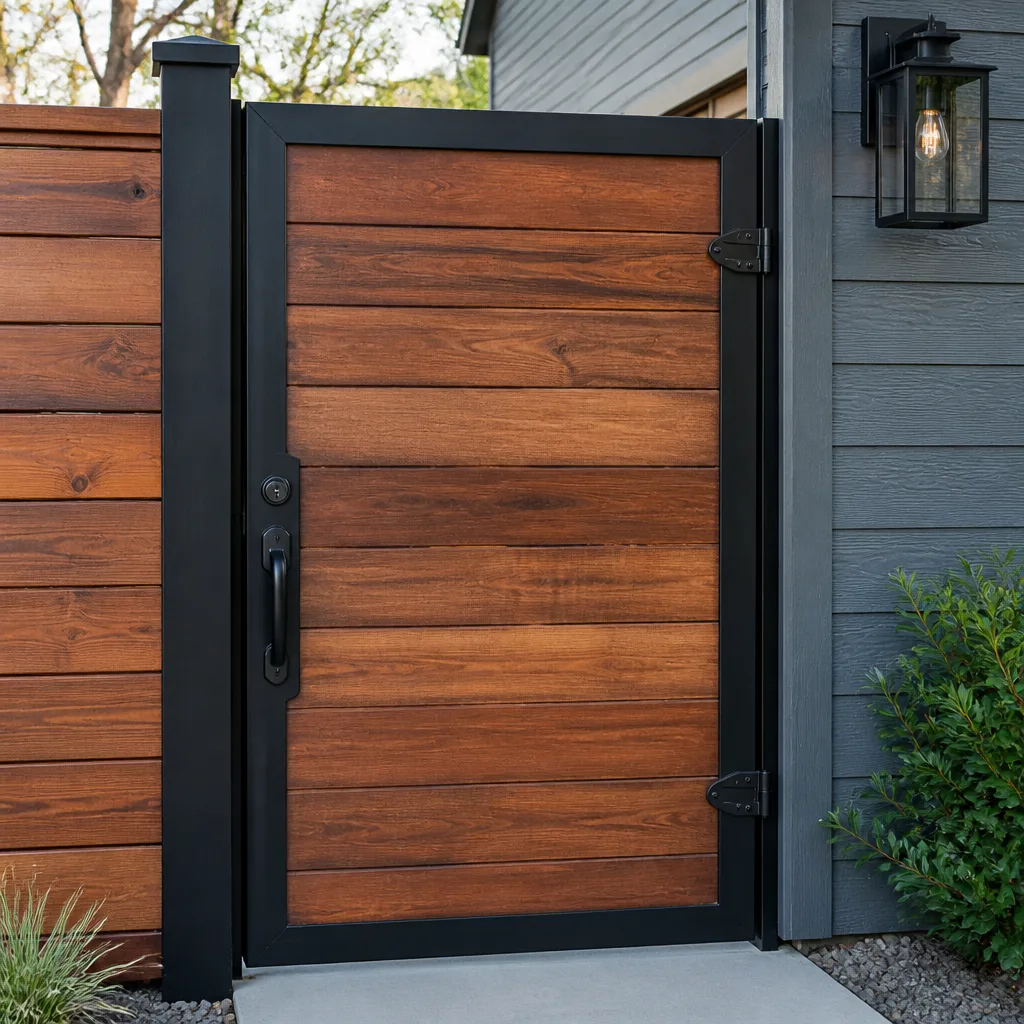 Wood & steel frame
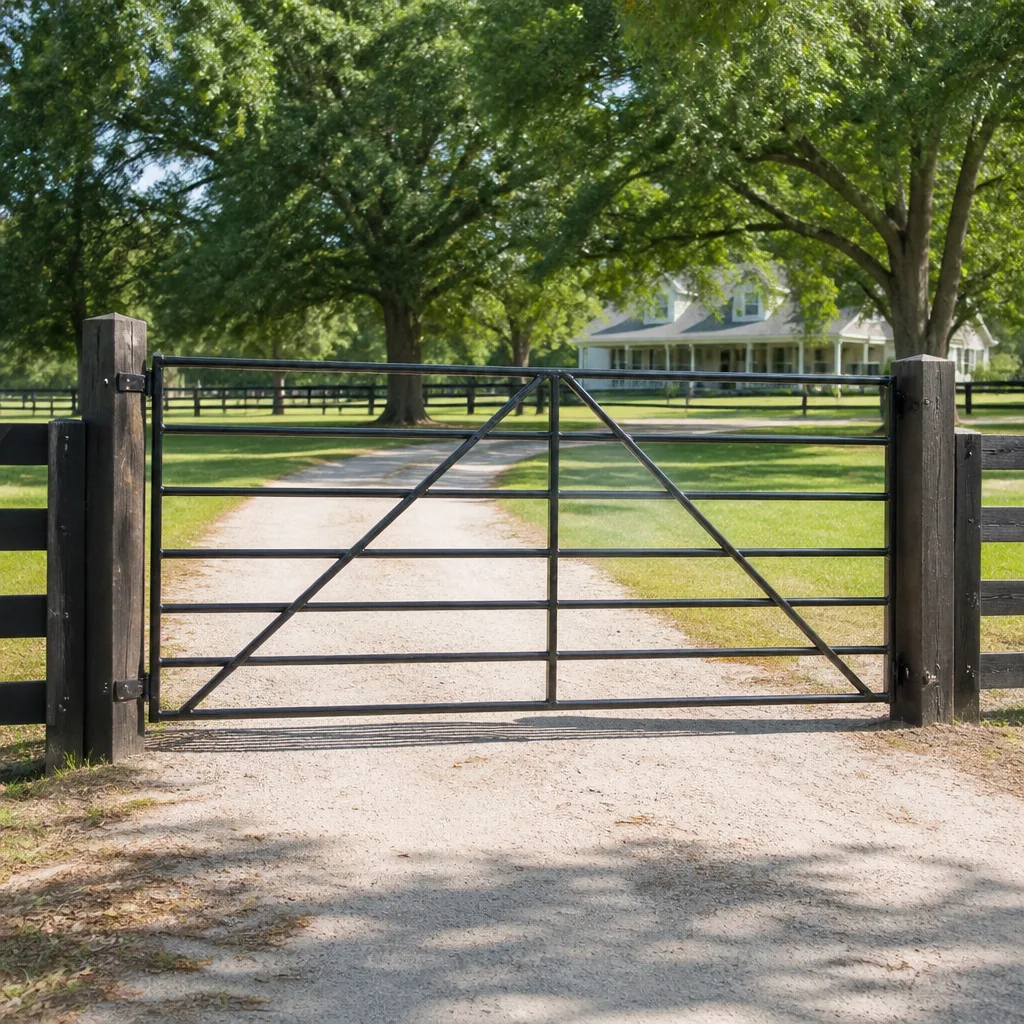 Farm & ranch
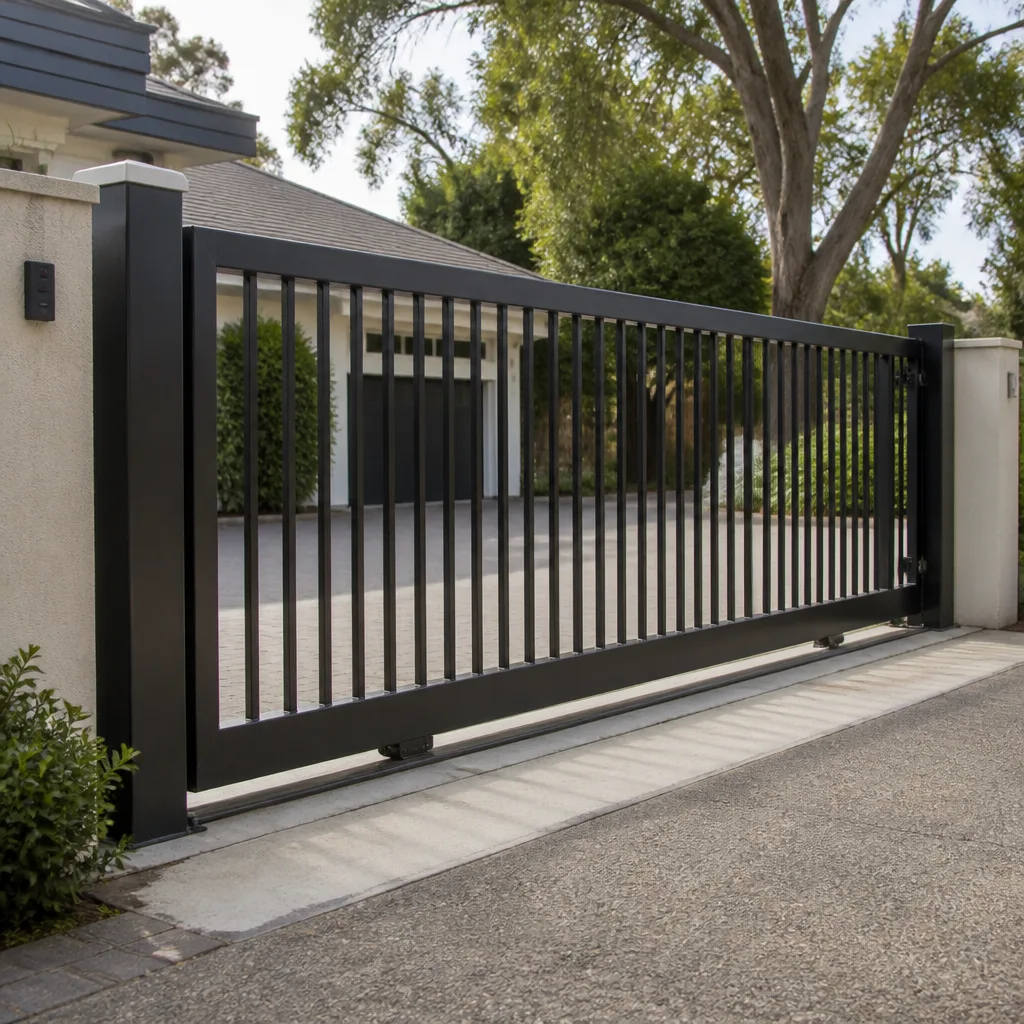 Sliding driveway gates
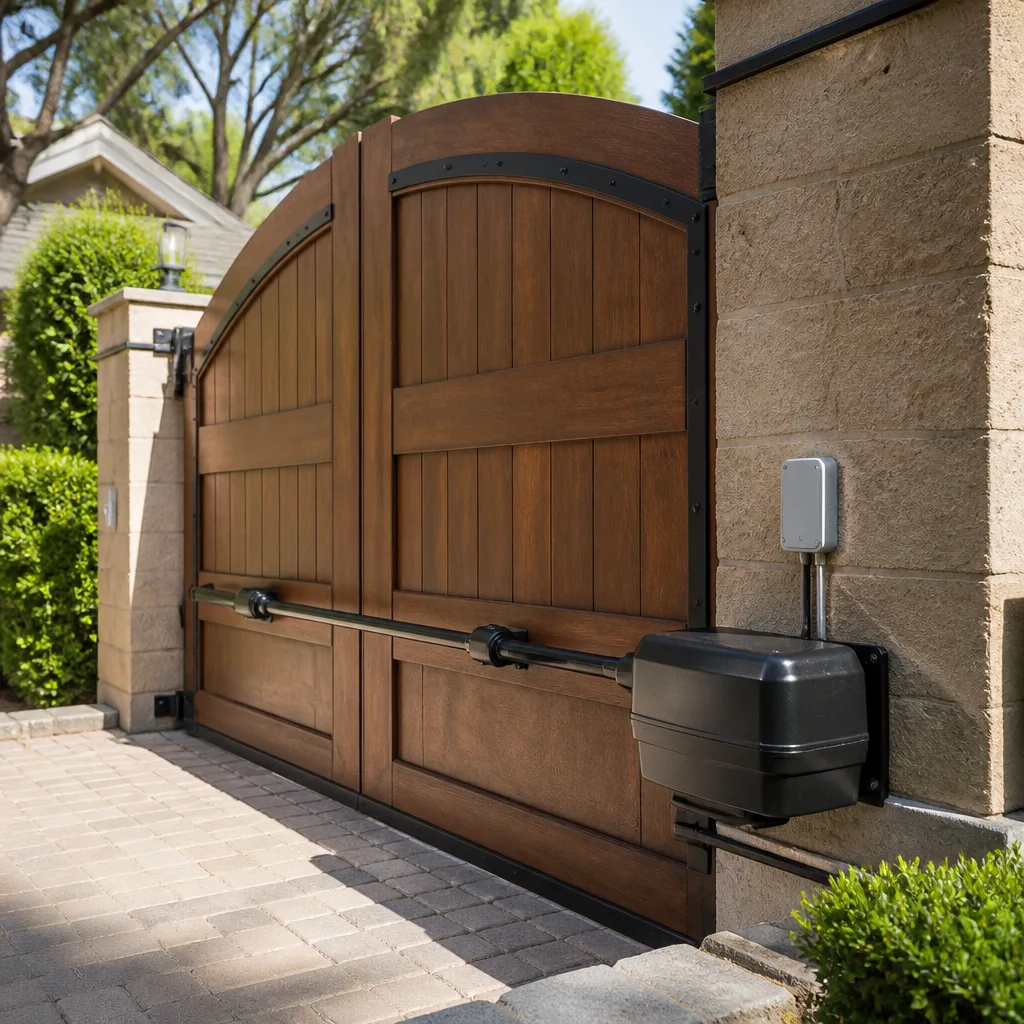 LiftMaster operators
Free on-site gate assessment - hinges, posts, and your LiftMaster or Nice gate operator checked before anything is quoted
The assessment is free and the quote is the invoice.
Get your free estimateGate Repair Permits, Codes & Inspections in TX: What You Need to Know
Most homeowners in Fort Worth assume any gate work triggers a permit, then spend two weeks tangled in paperwork for a hinge replacement that needed nothing. The opposite error is worse: a homeowner in Fort Worth was required to retrofit their gate with UL 325-compliant safety sensors after an unpermitted motor installation surfaced during a title search. The retrofit cost more than the original installation. This guide maps exactly where the permit line falls for residential gate repair, gate motor replacement, and new gate installation in Texas, with Fort Worth-specific code triggers, so you don’t over-permit routine work or under-permit work that can block a sale.
Styles & brands we work with
Quick Answer
Most residential gate repairs in Fort Worth, Texas, do not require a city permit. Replacing hinges, rollers, a limit switch, or a loop detector on an existing gate is classified as routine maintenance. A permit becomes necessary when you install new post footings, run electrical wiring above low-voltage, mount a new gate operator on a newly constructed gate, or build a gate that exceeds height thresholds in certain Fort Worth zoning districts. If you’re repairing what’s already there, you’re generally clear. If you’re changing the structure, the footprint, or the power source, check first.
Table of Contents
- When Fort Worth Requires a Permit for Gate Work
- HOA Architectural Review vs. City Permitting: Two Separate Tracks
- UL 325 Compliance: What It Actually Requires for Gate Operators
- When a Repair Becomes a Replacement in the Permit Office’s Eyes
- How Unpermitted Gate Electrical Work Affects Insurance Claims
- What Fort Worth’s Climate and Code Enforcement Mean for Gate Systems
- How to Verify a Tech’s Permit and Code Knowledge Before Work Starts
- Common Mistakes to Avoid
- When to Call a Professional
- Frequently Asked Questions
- The Bottom Line
When Fort Worth Requires a Permit for Gate Work
Fort Worth’s residential building permit requirements come from Chapter 5 of the city’s building code, and they apply to gates in three specific situations. Knowing these three triggers will save you from over-permitting a roller swap and from skipping a permit on a footing pour that could come back on you later.
Trigger 1: New post footings. If you’re replacing a rotted wood post or setting a new steel post in concrete, Fort Worth considers this structural work. The city wants to know the post depth, the footing diameter, and the concrete mix. The reason is practical, not bureaucratic: North Texas soil is expansive clay. A footing poured too shallow will heave in the first wet-dry cycle, and you’ll have a leaning gate within eighteen months. Fort Worth inspectors check footing depth against local frost and soil movement standards, which are different from what a generic national guide will tell you.
Trigger 2: Electrical work above low-voltage. Gate motors run on either low-voltage DC power (typically 12V or 24V through a transformer) or line-voltage AC power (110V or 220V run directly to the operator). Low-voltage work on an existing circuit rarely requires a permit. Running a new 110V line from your breaker panel to a gate post does. The distinction matters because many homeowners don’t know which system they have. If your operator plugs into a standard outlet inside a weatherproof box, that circuit was likely permitted when the house was built. If a technician proposes running new conduit and wire from the panel, that’s the moment to ask about an electrical permit.
Trigger 3: Height thresholds in certain zoning districts. Fort Worth’s zoning ordinance regulates fence and gate heights differently by district. In most residential single-family zones, a gate can reach 8 feet without issue. But in some overlay districts, particularly historic districts like Fairmount or Ryan Place, and in certain planned developments, the threshold drops to 6 feet, and a height variance requires a hearing. A gate that’s legal in Wedgwood may need a variance in Mistletoe Heights. Check the specific zoning district for your address before ordering a custom-height gate.
Here’s the good news: replacing an existing gate panel, changing hinges, swapping a wheel, or repairing a motor is maintenance. No permit. No inspection. No record. Fort Worth treats these the way it treats replacing a faucet washer: routine upkeep that doesn’t change the structure.
HOA Architectural Review vs. City Permitting: Two Separate Tracks
The most common confusion we see in Fort Worth is a homeowner who thinks HOA approval covers the city permit, or that a city permit satisfies the HOA. These are completely separate processes with separate approval chains, separate paperwork, and separate consequences for skipping them.
Your HOA’s architectural review committee cares about appearance: gate style, color, height, material, and whether it matches the neighborhood’s design standards. An HOA can require you to submit plans, wait 30 days for review, and repaint or rebuild a gate that violates their covenant. What an HOA cannot do is issue a building permit, and an HOA approval does not excuse you from city code.
The City of Fort Worth cares about safety and structure: footing depth, electrical code compliance, height limits in your zoning district. The city does not care if your gate is wrought iron or cedar, black or white. The city will not check HOA covenants. A city inspector will sign off on a gate that your HOA later demands you remove, and an HOA will approve a gate design that the city then flags for a missing permit.
The sequence that works: check HOA requirements first, because architectural review takes longer and involves a committee meeting. Then pull the city permit if your project hits one of the three triggers above. Doing it in reverse means you might get a city permit approved for a design your HOA rejects, and you’ll be back at the start.
In Fort Worth neighborhoods with active HOAs, such as portions of Heritage, Summer Creek, and Marine Creek, architectural review is not optional and fines accrue monthly. The city permit is the safety backstop. Both matter, but for different reasons.
UL 325 Compliance: What It Actually Requires for Gate Operators
UL 325 is the Underwriters Laboratories standard for gate operator safety, and it’s the document behind the sticker you’ll find on every compliant operator. It exists because automatic gates have killed people, and the standard is designed to ensure the gate stops or reverses before it injures someone. Here’s what UL 325 actually mandates, and who is responsible for making sure it’s followed.
Primary entrapment protection: The operator must have an inherent reversing mechanism. If the gate encounters resistance while closing, it must stop and reverse direction. This is built into the motor control board and is not optional.
Secondary entrapment protection: In addition to the reversing mechanism, the gate must have at least one external safety device: photoelectric sensors across the gate opening, a contact edge sensor on the leading edge of the gate, or both. For swing gates, UL 325 also requires guards on exposed pinch points where the gate meets the post, because a closing swing gate can crush a hand or a child’s arm. For slide gates, the standard requires a guard or roller cover to prevent hands from entering the track path.
Who certifies UL 325 compliance: The operator manufacturer certifies the operator itself as compliant. But the installation is required to be compliant with UL 325, and that responsibility falls on the installing technician. A compliant operator installed without secondary entrapment protection is a non-compliant installation. If the technician skips the photo eyes or installs the gate without edge sensors, the system is not code-compliant, even if the motor box has the UL sticker.
How to verify your operator qualifies: Look for the UL 325 marking on the operator’s data plate, usually on the side of the control box or on the manual. Every major brand we work on, including BFT and Viking, prints the UL 325 compliance statement on the unit. If the plate is missing or painted over, ask the technician to show you the manual. If they can’t, treat that as a red flag.
One point that surprises Fort Worth homeowners: gate repair warning signs like missing UL 325 compliance are not checked by the city of Fort Worth on a routine maintenance call. It becomes binding when an incident occurs and a claim is filed, or when an inspection is triggered by a permit application on new electrical work. That’s how the retrofit in the opening anecdote happened: the system functioned fine until a title search required an inspection, and the inspection caught the missing sensors.
When a Repair Becomes a Replacement in the Permit Office’s Eyes
The threshold between “repair” and “replacement” is the line where Fort Worth starts asking for permits. The city’s definition is more specific than most homeowners expect, and it’s worth understanding before you sign off on a job scope.
Here’s the practical rule Fort Worth applies:
- Replacing like-for-like parts is repair. If you remove a bent hinge and bolt on a new hinge of the same size, that’s repair. If you swap a failed BFT limit switch for the same model, that’s repair. No permit, no inspection.
- Replacing a component with a different component that doesn’t change the structure is still repair, mostly. Swapping a chain-driven operator for a belt-driven operator from Linear on the same mounting plate typically stays in the repair category. The city’s interest is in the structure and the power, not in the brand of motor.
- Replacing more than 50 percent of the gate structure crosses into replacement. If the project scope involves pulling both posts, pouring new footings, and hanging a new gate frame, Fort Worth treats it as new construction. That triggers the footing and electrical review described above.
- Adding a motor to a gate that never had one is replacement. This is the one that catches people. Installing a gate operator on an existing manual gate means new electrical work and new safety compliance, and Fort Worth views it as a new installation, even though the gate itself is staying.
The practical takeaway: if the job is described as “fixing” or “repairing,” you’re almost always in permit-free territory. If the job is described as “installing,” “converting,” or “rebuilding,” ask the technician whether the scope triggers a Fort Worth permit. A straight answer should take thirty seconds to give. If the answer is vague, that’s information too.
How Unpermitted Gate Electrical Work Affects Insurance Claims
This is the section most gate guides skip, and it’s the one with the most financial weight. Unpermitted electrical work on a gate can affect your homeowner’s insurance claim in three specific ways.
Coverage denial for the incident itself. If a fire starts at the gate operator and an investigation traces the cause to a non-permitted electrical installation, the insurer may deny the claim on the basis that the homeowner made an unapproved modification to the electrical system. Texas insurers routinely write exclusions for unpermitted work into standard HO-3 policies. The denial doesn’t require malice, just the absence of a permit where one was required.
Reduced settlement on a related claim. If a vehicle hits your gate and the damage includes electrical components that were installed without a permit, the adjuster may calculate the settlement based on a code-compliant retrofit, not a like-for-like replacement. That means you eat the difference between what the insurer pays and what a compliant repair actually costs.
Liability exposure if someone is injured. If a guest, a delivery driver, or a child is injured by a gate that has non-compliant electrical or safety features, and the installation was unpermitted, your liability exposure increases substantially. Plaintiff’s attorneys look for exactly this: a homeowner with an unpermitted installation and an injured party. The absence of a permit becomes evidence of negligence in the complaint, and your insurer may reserve the right to deny the liability portion of the claim.
The defense is simple: for any electrical work on your gate that exceeds low-voltage, require a permit. If a technician says a permit isn’t needed, ask them to put that in writing. Most reputable crews will confirm in writing that the work falls below the permit threshold. A crew that refuses is telling you something about how they operate.
What Fort Worth’s Climate and Code Enforcement Mean for Gate Systems
Fort Worth sits on expansive clay soils that expand when wet and contract during droughts. The practical consequence for gate work: footings that meet code in Dallas may fail in Fort Worth because the soil movement is different across the metro. Fort Worth’s code enforcement division knows this, and inspectors here are specific about footing depth and concrete specifications for gate posts. A 24-inch footing that holds fine in sandy soil near Arlington may heave within a year in clay-heavy soil near Benbrook.
We also see weather-related failures that are specific to North Texas: spring storms with hail and straight-line winds that bend gate panels and shear hinge bolts, summer heat that cooks the capacitors in operators from Ghost Controls and Viking, and the occasional ice event that freezes slide-gate tracks solid. Fort Worth gates take more weather abuse than gates in most of Texas, and the repair patterns reflect that.
Enforcement in Fort Worth is complaint-driven for existing residential gates, meaning the city doesn’t proactively inspect gates unless a permit has been pulled. But when a permit is pulled, the inspection is real, and the inspector will check footing depth, concrete placement, and electrical rough-in before closing the permit. If you’re pulling a permit for new electrical work, schedule the inspection before covering any conduit.
How to Verify a Tech’s Permit and Code Knowledge Before Work Starts
You can tell a technician’s code fluency in the first ten minutes of a site visit. Here’s what to ask, and what a good answer sounds like.
- “Does this job trigger a Fort Worth permit?” A knowledgeable tech answers immediately, based on the three triggers: footings, line-voltage electrical, and height/zoning. A tech who hesitates or says “probably not” without explaining why hasn’t applied the code to your specific project.
- “Is this operator UL 325 compliant, and does the installation include secondary entrapment protection?” A technician who works on BFT, Linear, or Viking operators will answer this without pause, because compliance is part of every motor replacement they do. If they don’t know what secondary entrapment protection is, end the conversation.
- “Will you put the permit determination in writing?” A professional crew has no problem confirming the permit status on the written work order. In our experience, a written price and a written permit determination go hand in hand, because both are commitments a technician is willing to stand behind.
- “What happens if this fails after you leave?” The answer should include a specific guarantee term. For every repair our team completes at Carver Gate Repair Fort Worth, the guarantee is in writing and runs a full year from the date of service. If a repair fails inside that window, the follow-up visit is free. No charge, no argument. That’s the standard: whatever the tech promises, get it in writing.
You don’t need to become a code expert. You need a technician who can answer these questions cleanly, because that’s the difference between someone who has done this work in Fort Worth for years and someone who is figuring it out on your gate. For how to hire a gate repair contractor in Fort Worth, start with these questions.
Common Mistakes to Avoid
- Skipping the permit on new footings. A homeowner replaces a leaning gate post, doesn’t pull a permit, and the new footing heaves two years later. Not only is the repair out of pocket, but the unpermitted work now needs to be disclosed if the house is sold.
- Assuming HOA approval covers the city. An HOA letter is not a building permit. Fort Worth code enforcement doesn’t recognize HOA review, and the HOA doesn’t recognize city permits. Treat them as parallel tracks.
- Installing a gate operator without secondary entrapment protection. The operator runs fine until someone gets hurt or a title inspection catches it. The retrofit costs more than doing it right the first time, as the opening anecdote shows.
- Running new 110V electrical without a permit. It’s the most consequential permit to skip, because it affects insurance claims and resale disclosures. If the work isn’t low-voltage, it needs a permit.
- Buying a gate taller than the zoning district allows. In Fort Worth’s historic and overlay districts, height limits are stricter than the rest of the city. A gate that’s fine in one neighborhood may require a variance in another.
- Paying a deposit before the technician confirms permit status in writing. A technician who won’t put the permit determination on paper is leaving you holding the risk. Get the determination in writing before money moves.
- Replacing an entire gate system when a component repair would meet code. Some sales pitches blur the line between repair and replacement to inflate the job. If the posts and footings are sound, a component-level repair on the existing structure is usually permit-free and a fraction of the cost.
When to Call a Professional
Call a professional for any gate work that involves line-voltage electrical, new footings, or a motor installation on a gate that has never had one. Those are the jobs where code compliance matters most, and where a mistake has consequences for your insurance and resale. Also call a professional if your existing operator lacks secondary entrapment protection, if your gate has shifted in the expansive Fort Worth soil to the point where the operator is fighting the structure, or if you’ve inherited a gate with missing paperwork and need to know whether it’s code-compliant before listing the house. Carver Gate Repair Fort Worth offers free estimates in Fort Worth, and we’ll give you a written determination on permit status before any work starts. Call (817) 840-7067.
Frequently Asked Questions
No, routine gate repair in Fort Worth, Texas, does not require a city permit. Replacing hinges, rollers, wheels, chains, belts, limit switches, or loop detectors on an existing gate is classified as maintenance. A permit is only triggered by new post footings, line-voltage electrical work, or height thresholds in certain zoning districts. For any job where the permit status is unclear, call (817) 840-7067 and we’ll confirm in writing before work starts.
UL 325 is the safety standard for automatic gate operators, and every residential gate operator in Texas is required to comply. It mandates an inherent reversing mechanism plus secondary entrapment protection such as photoelectric sensors or contact edges. Compliance is certified by the manufacturer but verified at installation. If your operator lacks the UL 325 marking or was installed without safety edges or photo eyes, call (817) 840-7067 for a compliance check, free of charge.
Gate repair in Fort Worth typically costs $180 to $550 for common component repairs like hinge replacement, roller swaps, and limit switch replacement. Gate motor replacement runs $650 to $1,300 depending on the operator brand and whether new safety edges are included. Full gate installation with footings ranges from $2,200 to $6,000, not including electrical work above low-voltage. Every price at Carver Gate Repair Fort Worth is written before work starts, so the number never moves at the door. Call (817) 840-7067 for an exact quote.
No. HOA architectural review and City of Fort Worth permitting are separate processes with separate approval chains. An HOA approval covers design standards; it does not satisfy city code requirements for footings, electrical work, or height limits. A city permit covers safety and structure; it does not satisfy HOA covenants. You need both where both apply. If you’re unsure which applies to your project, call (817) 840-7067 and we’ll walk you through it.
Yes. Unpermitted electrical work on a gate can lead to denied claims for fire or electrical incidents, reduced settlements on related damage, and increased liability exposure if someone is injured by the gate. Texas standard HO-3 policies commonly exclude unpermitted modifications. The cost of a permit for line-voltage electrical work is trivial compared to the financial exposure of an unpermitted installation.
Check the operator’s data plate for the UL 325 marking, usually on the control box. Then check that the installation has at least one secondary entrapment protection device: photoelectric sensors across the opening or a contact edge on the gate’s leading edge. Swing gates also need pinch-point guards at the hinge post. If any of these are missing, the installation is not compliant even if the operator itself carries the UL mark. Carver Gate Repair Fort Worth performs free compliance checks on all nine brands we service.
The Bottom Line
Most residential gate repairs in Fort Worth are permit-free, and treating them as if they need a permit wastes time and money. But the exceptions are specific: new post footings, line-voltage electrical work, gate heights that exceed zoning limits, and adding a motor to a previously manual gate. Those exceptions carry real consequences: stop-work orders, insurance claim denials, failed title searches, and mandatory retrofits that cost more than the original job. Know the triggers, check your HOA separately from the city, verify UL 325 compliance in writing, and hire a technician who answers permit questions directly. For a free estimate and a written permit determination in Fort Worth, call (817) 840-7067.
If you found this guide useful, you may also want to read about Gate Repair in Fort Worth, Gate Motor Repair in Fort Worth, or Gate Installation in Fort Worth. If you’re new to our company, start at the Carver Gate Repair Fort Worth home page to see how we work.
Written by Lonnie Burke, Owner at Carver Gate Repair Fort Worth, serving Fort Worth since 2008. See our more guides & resources for Fort Worth homeowners.
See the difference
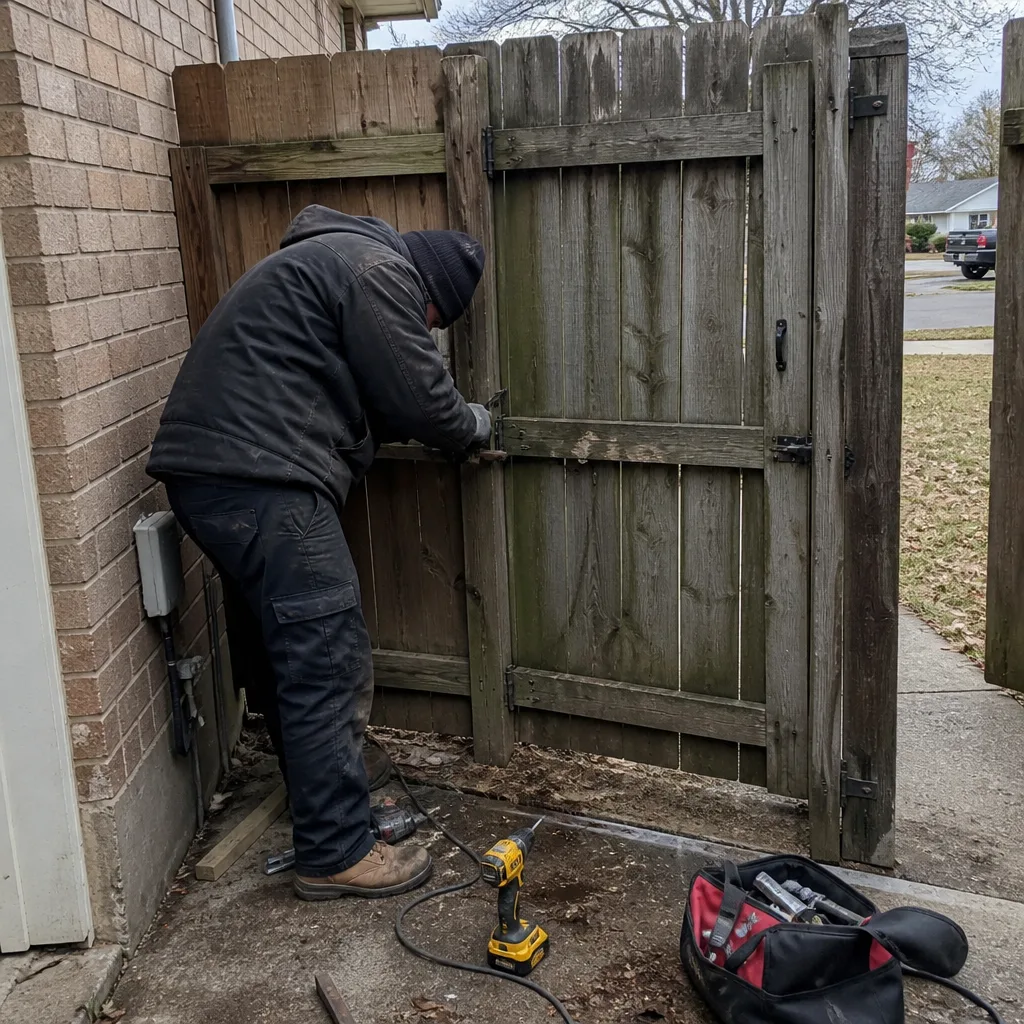 Before
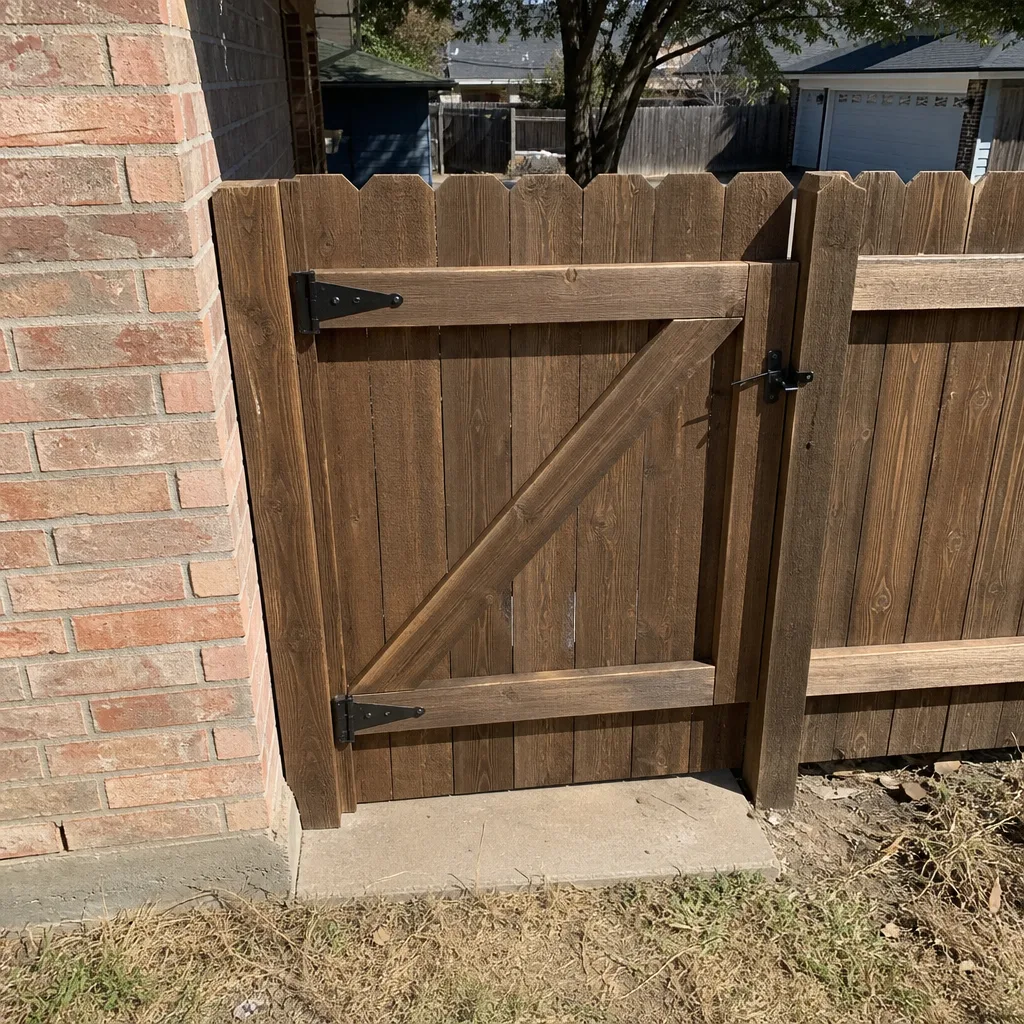 After
After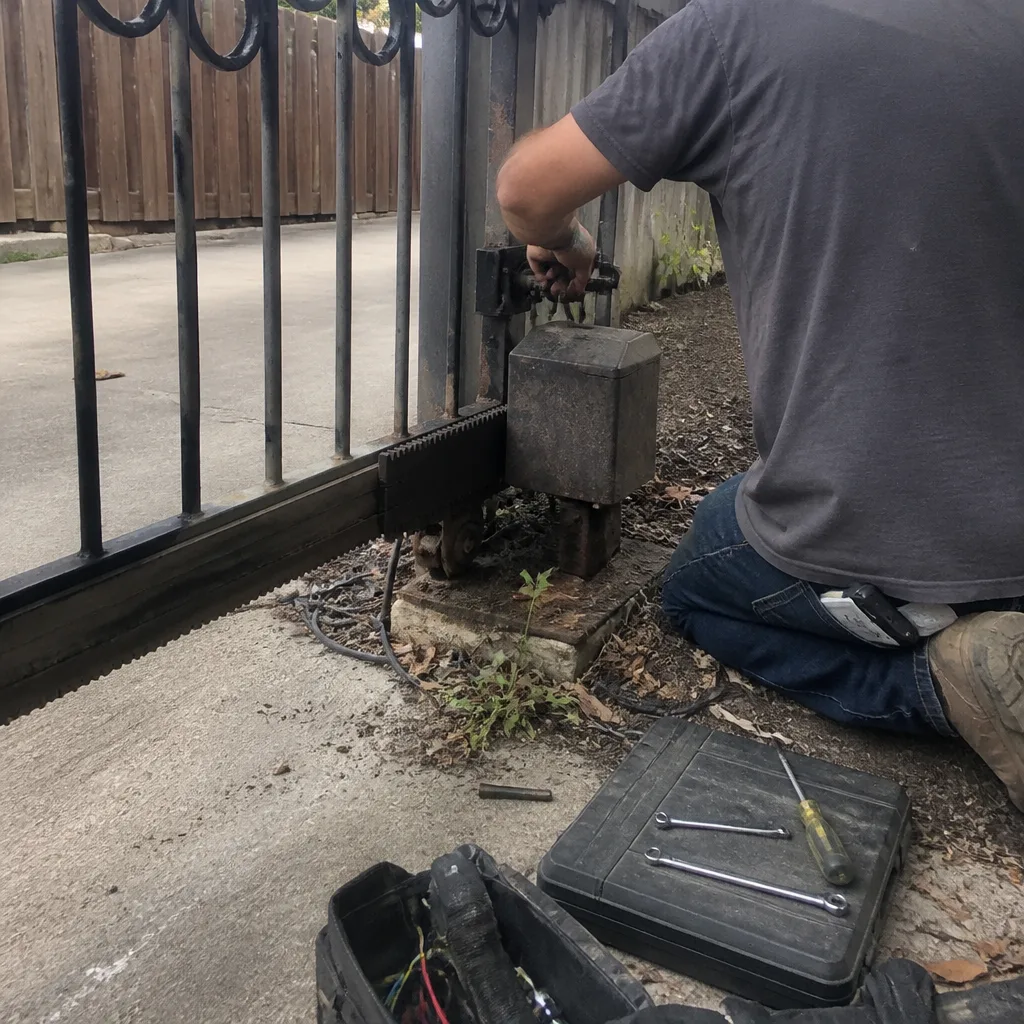 Before
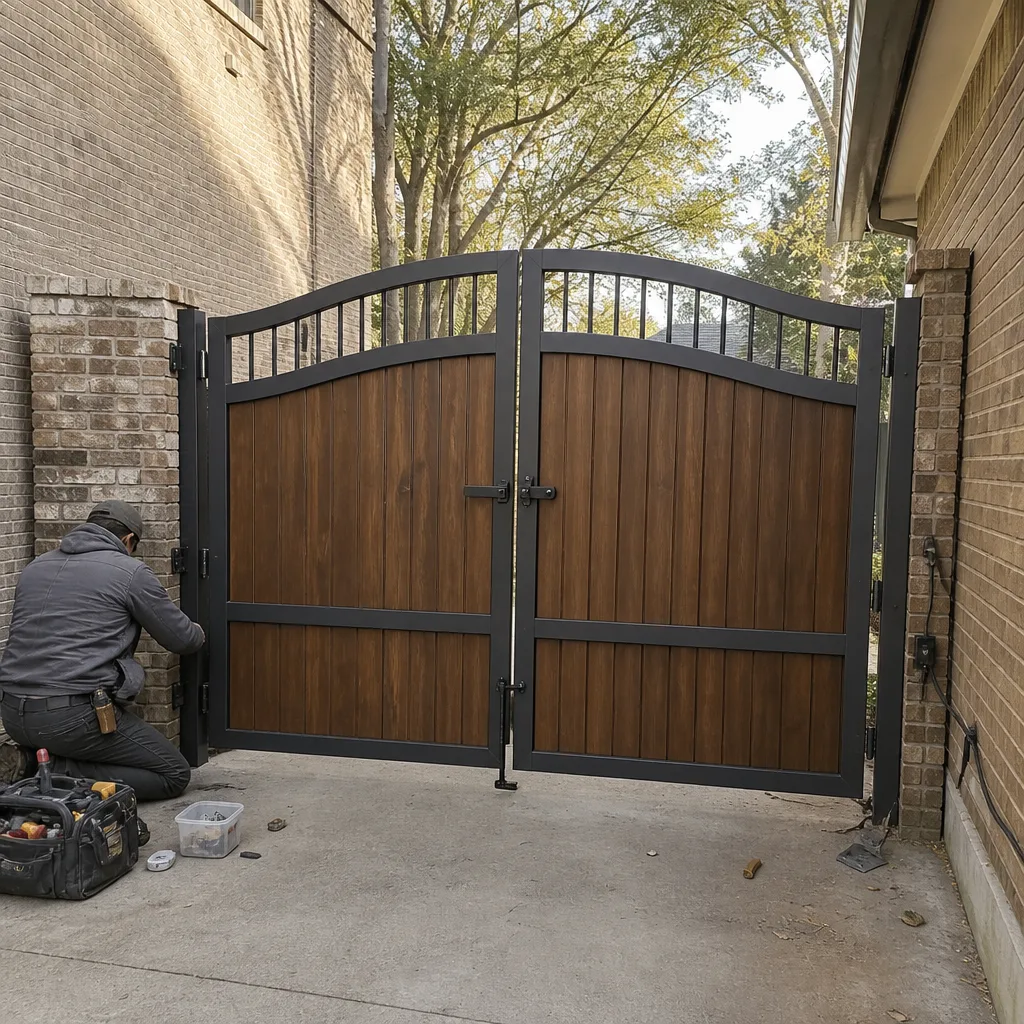 After
After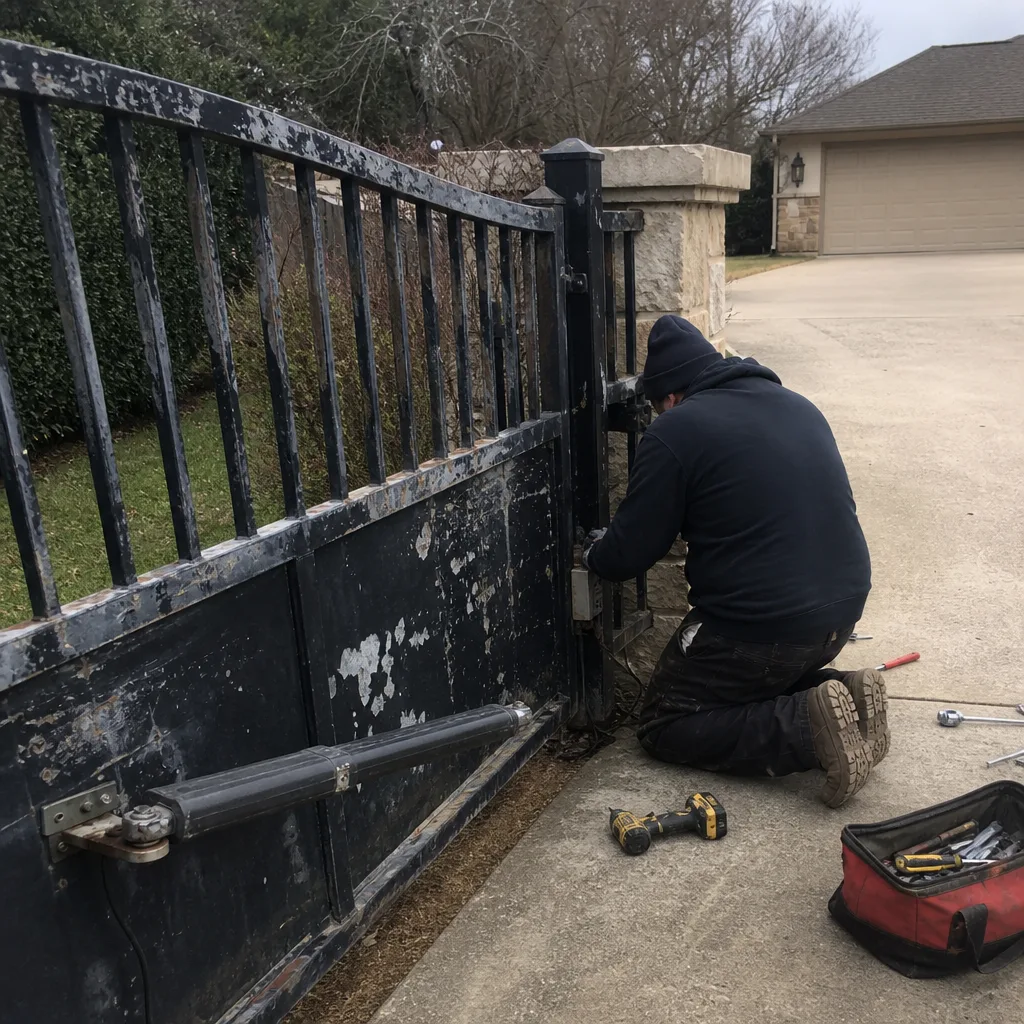 Before
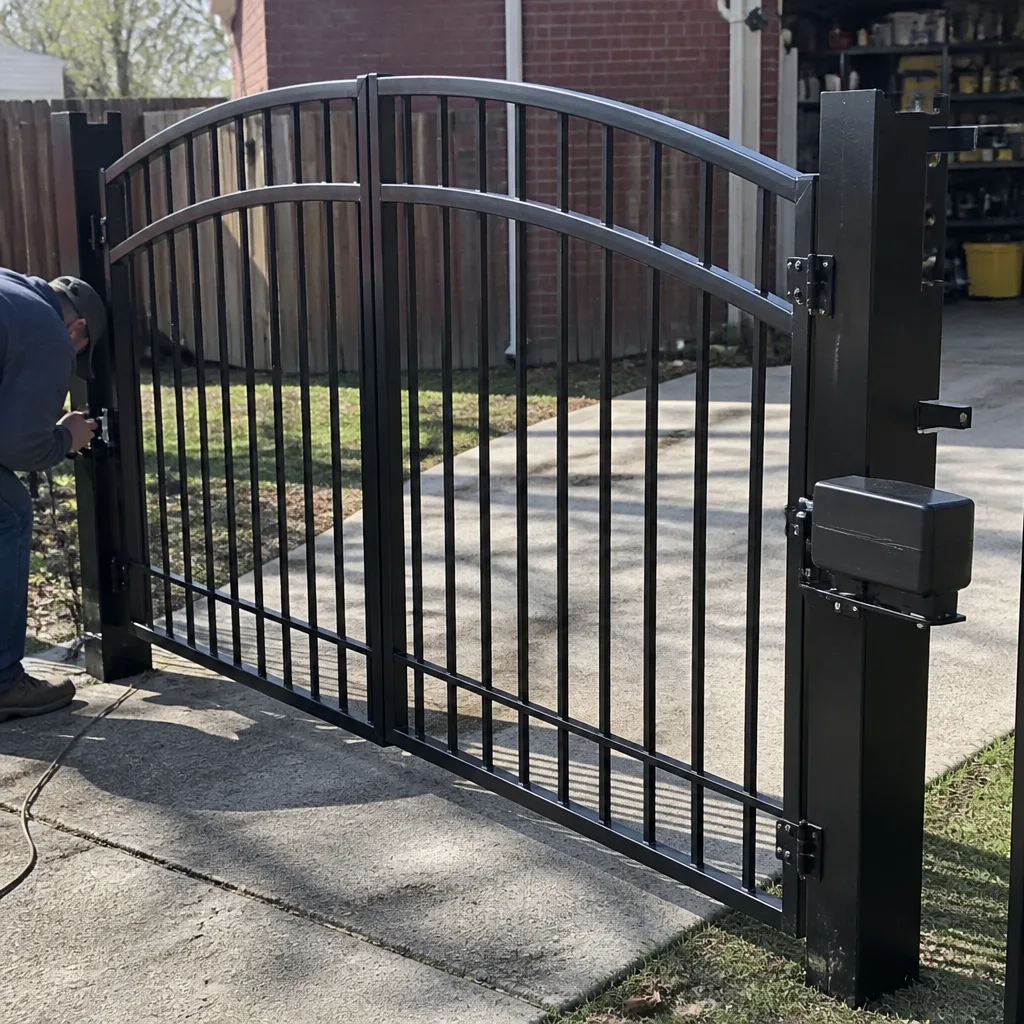 After
After