
Last updated October 16, 2026
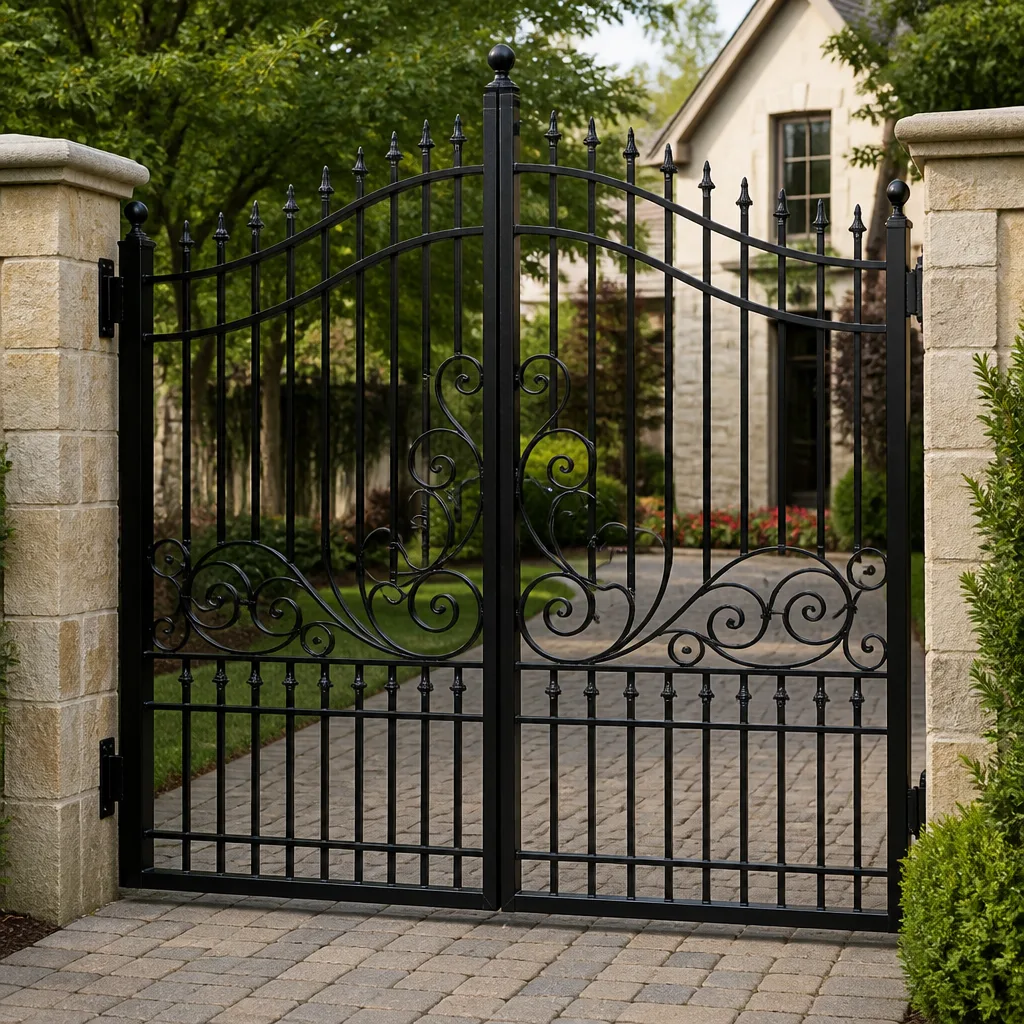 Wrought iron
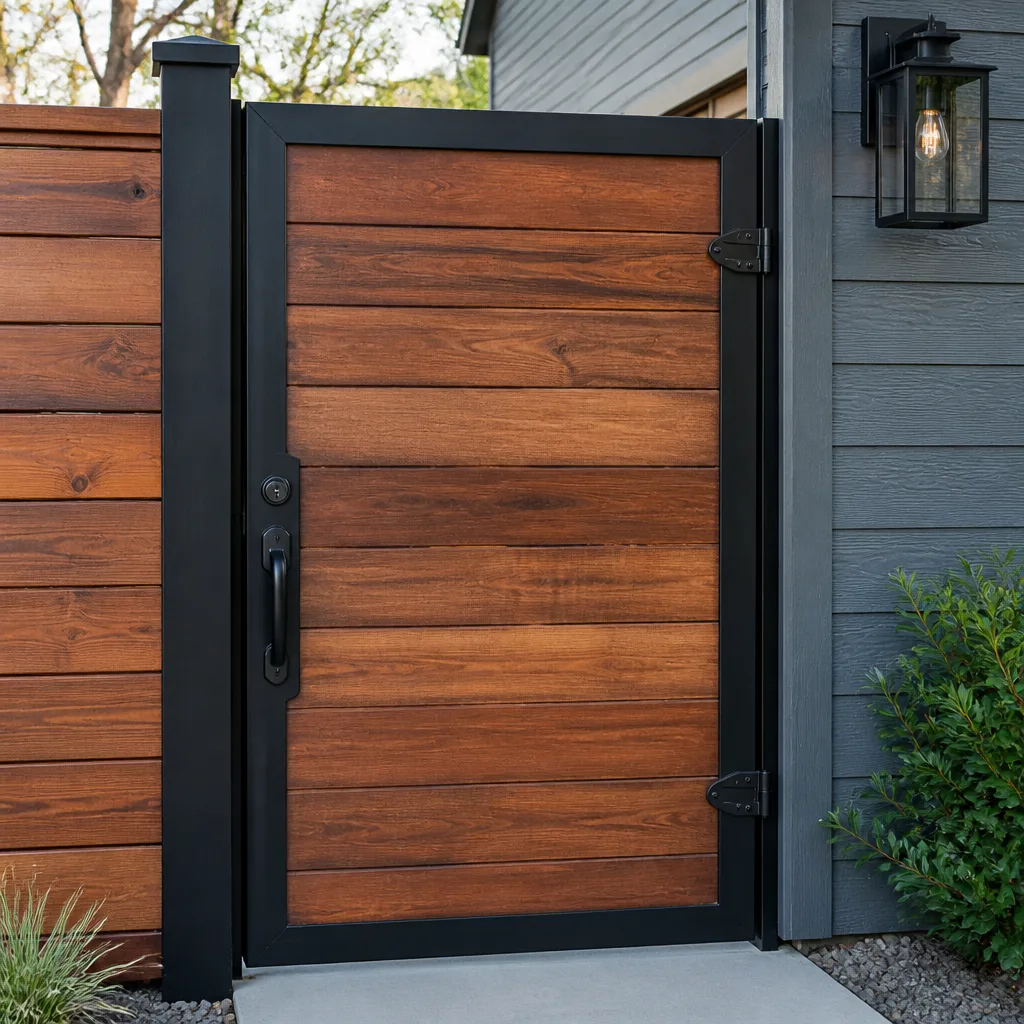 Wood & steel frame
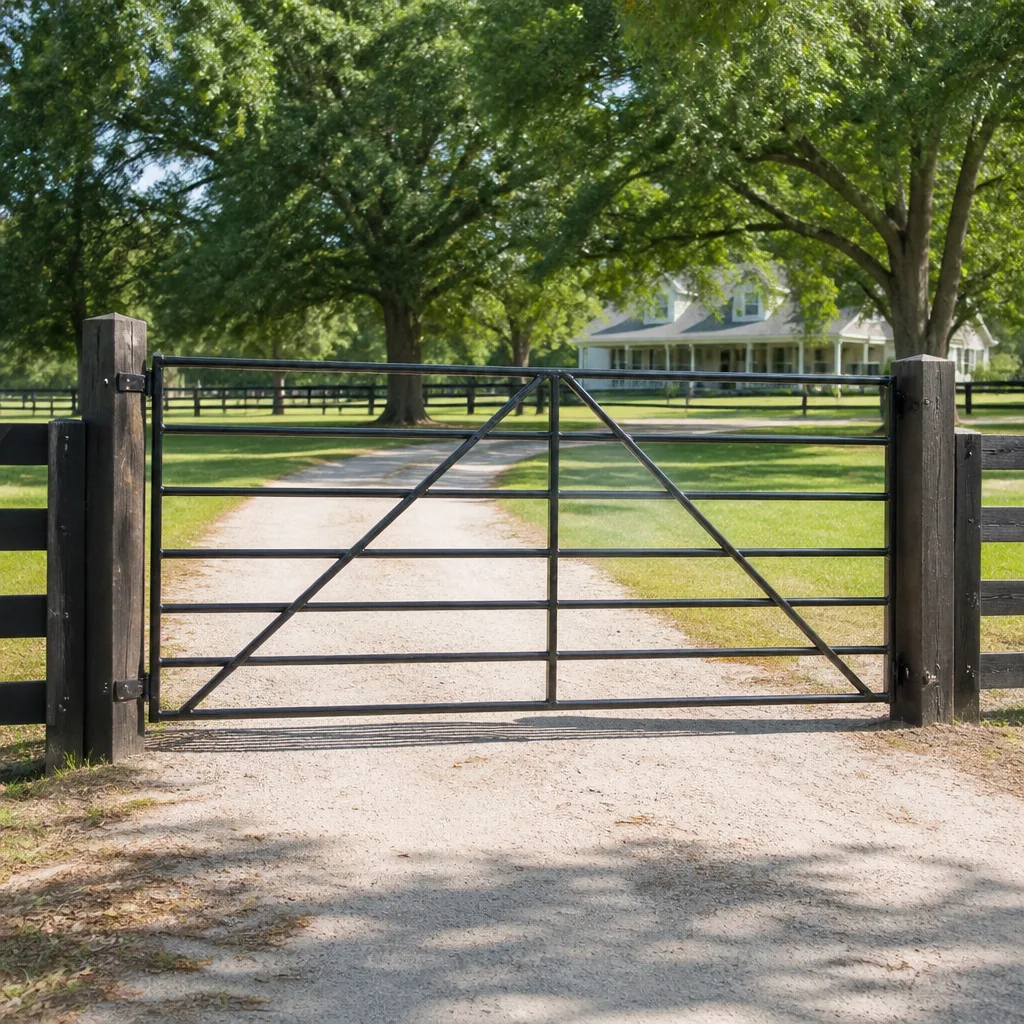 Farm & ranch
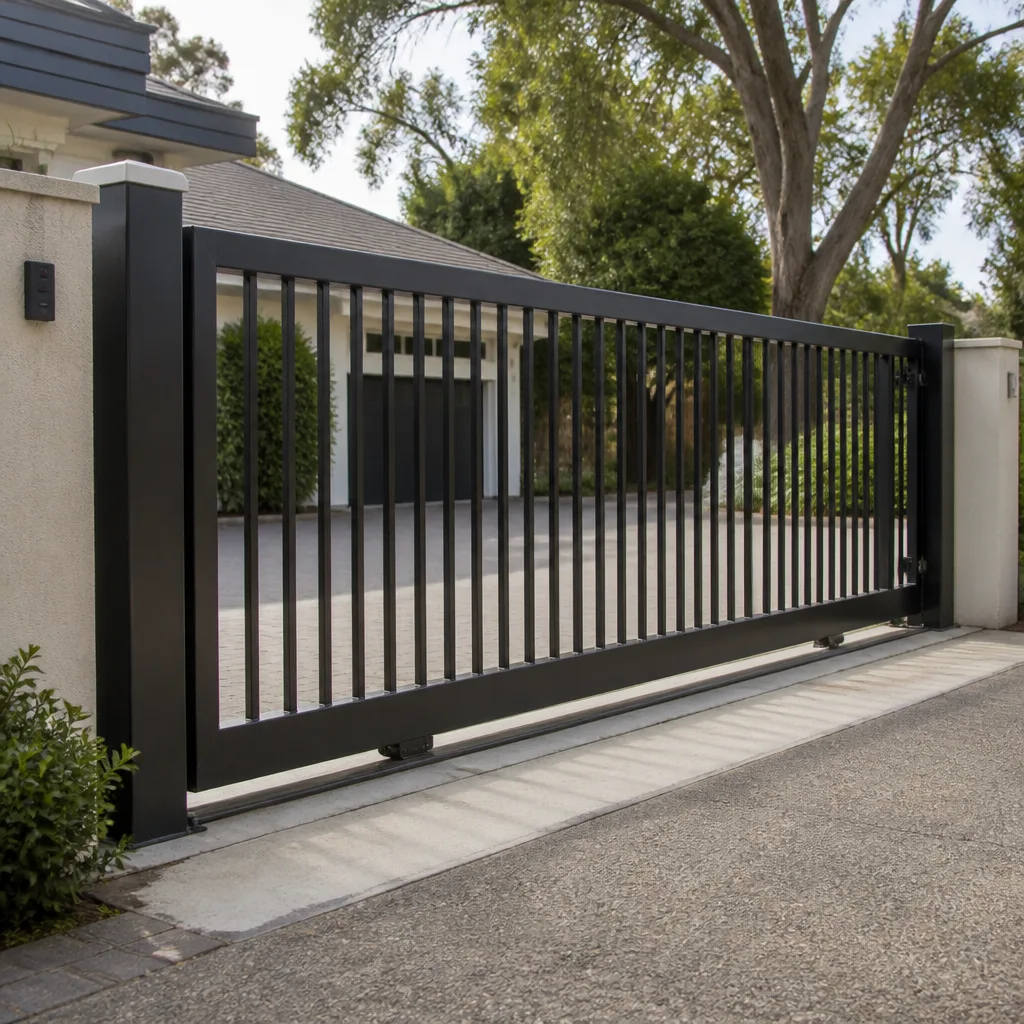 Sliding driveway gates
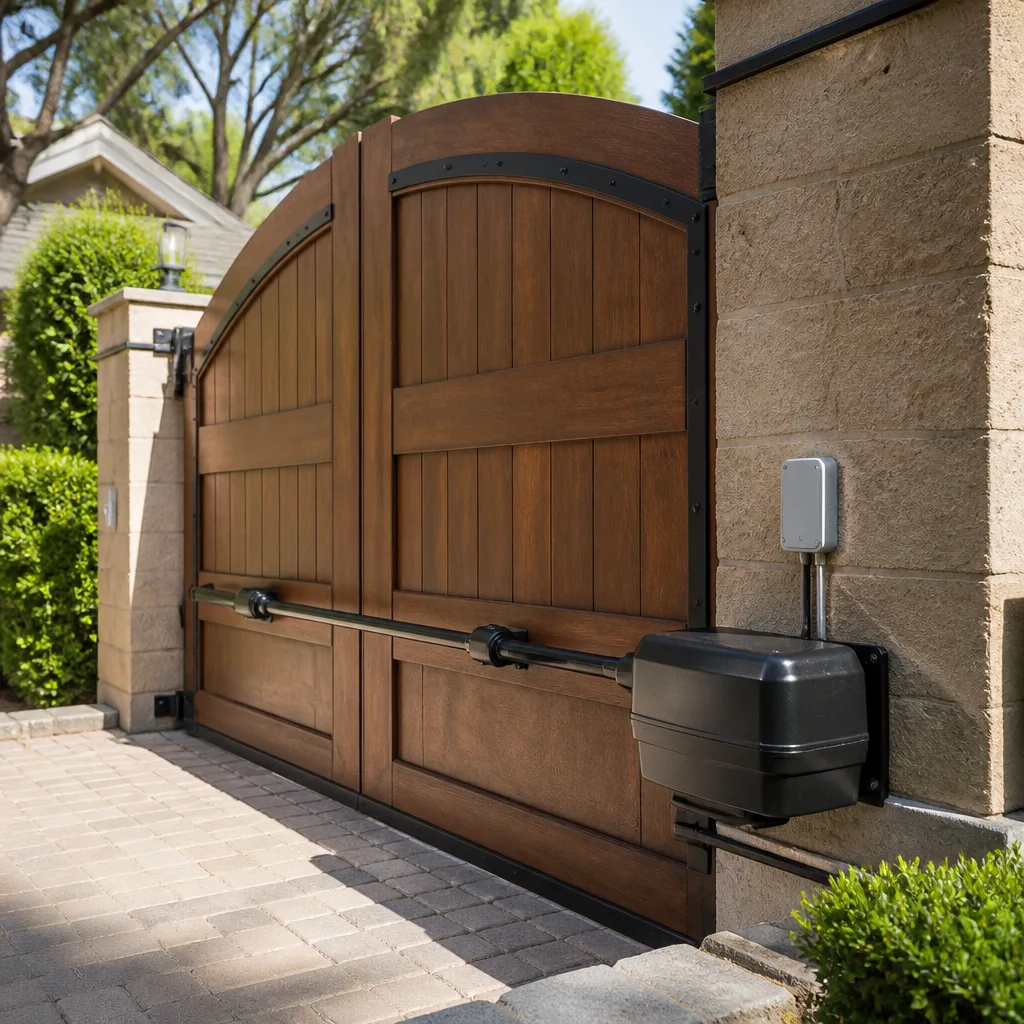 LiftMaster operators
Free on-site gate assessment - hinges, posts, and your LiftMaster or Nice gate operator checked before anything is quoted
The assessment is free and the quote is the invoice.
Get your free estimateSeasonal Gate Repair Care for Fort Worth: Year-Round Homeowner’s Guide
Fort Worth’s freeze events are short but extreme. A single hard freeze causes more post-footing movement than six months of normal use, and most of that damage doesn’t show up until late spring when the clay re-expands. What this means for your gate is simple: the component that fails in May was likely damaged in January. This guide walks through what to check, when to check it, and which three tasks you can do yourself versus the one task worth scheduling with a professional for Gate Repair. By the end, you’ll have a working calendar matched to Fort Worth’s actual climate stress pattern, not a generic four-season checklist written for Ohio.
Quick Answer
Seasonal gate maintenance in Fort Worth Texas means matching inspection tasks to the climate’s stress phases: battery backups and hydraulic closers before winter freezes, footing and hinge alignment after spring clay heave, motor ventilation before summer heat, and lubricant changes before fall temperature drops. Most gate failures in Fort Worth trace back to a skipped seasonal check, and the three DIY tasks (hinge lubrication, photo-eye cleaning, track clearing) take under an hour combined once per quarter.
Styles & brands we work with
Table of Contents
- Winter: Battery Backups and Freeze Damage Before It Happens
- Spring: Post-Freeze Footing Inspection and Clay Heave
- Summer: Motor Thermal Overload and Ventilation Clearance
- Fall: Lubricant Selection and the 40°F Threshold
- The Three DIY Tasks and the One Professional Task
- What Seasonal Gate Maintenance Costs in Fort Worth
- Common Mistakes to Avoid
- When to Call a Professional
Winter: Battery Backups and Freeze Damage Before It Happens
Freeze season in Fort Worth runs from late November through early March, and the freezes we get are different from what you’ll find in Dallas or Arlington. Fort Worth sits on the western edge of the Metroplex’s freeze line, which means cold snaps arrive harder and leave faster. That rapid swing is what damages gates. A gate post set in clay soil gets pushed upward when the ground freezes and water in the soil expands. When the thaw comes two days later, the post doesn’t always settle back where it started.
The component most homeowners forget before freeze season is the battery backup. Most swing and slide gate operators made by LiftMaster, FAAC, and Linear include a DC backup battery that keeps the gate working during a power outage. That battery sits in the operator housing and degrades faster in cold weather. We’ve opened housing boxes in January and found batteries that tested fine in October but were dead by the first hard freeze. Testing takes about five minutes: unplug the operator or trip the breaker, then run the gate open and close once on battery alone. If it moves slow or not at all, replace the battery before the freeze, not during it.
Hydraulic Gate Closers in a Hard Freeze
Hydraulic closers on Fort Worth gates respond to cold weather in a specific way. The fluid inside a hydraulic closer thickens as temperatures drop, which makes the gate swing slower or stop mid-close. On a wrought iron gate that weighs 300 pounds, a sluggish closer isn’t just an annoyance. It leaves the gate resting against the lock or the post instead of fully latched, and a partially latched gate catches wind and twists off its hinges faster than anything else we repair. If your gate uses a hydraulic closer, test the close speed on the first morning below 40°F. If it lags, the closer needs a cold-weather fluid swap, which is a 30-minute service call, not a full replacement.
Winter Inspection Checklist
- Test the battery backup by cutting power and cycling the gate once.
- Watch the close speed on the first cold morning; hydraulic fluid thickens below 40°F.
- Clear the track or path of leaves and debris that freeze into obstructions overnight.
- Check post bolts for any sign of upward movement from previous freezes.
- Lubricate hinges with cold-rated grease before the first freeze, not after.
Spring: Post-Freeze Footing Inspection and Clay Heave
The soil under Fort Worth is Houston Black clay, and it moves more than most homeowners realize. During the dry months it contracts and cracks. During wet months it swells. The wildcard is what happens when a freeze hits saturated clay: the water in the soil expands as ice, pushing posts up by a quarter inch or more. When spring rain re-saturates the ground, that clay swells again and pushes unevenly against the post footing from below and the side. The result is a post that reads as level from the driveway but has actually rotated a few degrees off plumb inside the concrete collar.
The failure doesn’t show up immediately. It shows up in April or May when the gate starts scraping the latch plate or binding against the hinge side. By the time a homeowner calls us for gate repair in Fort Worth, the post has usually moved enough that shimming the hinges is a temporary fix at best. The correct procedure is a footing inspection: clear the soil around the post base to look for a visible gap between the concrete collar and the post itself. If you can slip a flat blade into the gap, the post has moved.
How to Check for Clay Heave Without Tools
- Open the gate to 45 degrees and let go. If it drifts open or closed on its own, the post has shifted.
- Measure the gap between the top and bottom hinge on the latch side. A difference of more than 1/8 inch top to bottom means the post is tilting.
- Watch the lock alignment. If the bolt no longer lines up with the strike plate without lifting the gate, the post moved.
- Check for fresh cracks in the concrete collar around the post base. These open up after the first big rain in March or April.
Not every shifted post means an expensive repair. Sometimes the fix is re-packing and compacting the soil around the base. Sometimes it means resetting the post in a larger footing. The point is catching it in the spring when the movement is small, not in July when the gate has twisted far enough to snap a hinge barrel.
Summer: Motor Thermal Overload and Ventilation Clearance
Fort Worth summers push 100°F for weeks at a time, and the operator box on your gate sits in direct sun for six to ten hours a day. Inside that box, the motor and control board generate their own heat. The result is an operator running at 130°F to 150°F inside the housing during peak heat, which is at the upper edge of what most control boards are rated to handle. Thermal overload is the most common summer failure we diagnose, and it often starts small: the gate works in the morning, stalls in the afternoon, then works again after sunset.
Most manufacturers specify clearance around the operator housing for ventilation, and most installers ignore it. LiftMaster swing operators need at least 6 inches of clear space on each side of the housing. FAAC and BFT hydraulic operators need 8 inches because their pumps generate more heat. When shrubs, mulch, or stacked firewood crowd the housing, the heat has nowhere to go. The control board cooks, the thermal sensor trips, and the homeowner is left with a gate that refuses to move during the hottest part of the day.
How to Identify an Operator Running Hot
- Touch the housing at 3 p.m. If it’s too hot to hold your palm against for ten seconds, it’s overheating.
- Listen for a clicking noise when the gate tries to start. That’s the thermal protection resetting.
- Note the time of day failures happen. Overheating follows the sun, not a loose wire.
- Check for a burning smell from the housing after a failed cycle. That’s the control board insulation degrading.
Fixing thermal overload sometimes means replacing a worn limit switch or a failing capacitor that’s drawing too much current. Other times it’s as simple as clearing the vegetation around the housing and adding a ventilated cover. If you’re not sure which, gate motor repair in Fort Worth is the kind of diagnostic call that takes under an hour.
Fall: Lubricant Selection and the 40°F Threshold
Lubricant is the most misunderstood part of gate maintenance, and Fort Worth’s temperature swings make it worse than most markets. The grease many installers use in the summer is a medium-weight lithium grease rated for temperatures above 50°F. When the first cold front pushes Fort Worth below 40°F, that same grease thickens to the consistency of cold peanut butter. A gate that swung easily on Saturday afternoon gets stiff by Monday morning, and the operator motor now works harder every cycle to push through the added friction.
The fix is not more grease. It’s the right grease for the season. Cold-rated synthetic grease, typically a polyurea or moly-fortified lithium blend rated down to 0°F, keeps hinge pins and bearing plates moving through the winter without the sticky startup drag. The swap takes about twenty minutes per gate and costs a few dollars in materials. Skipping it means the operator motor draws more current through the winter, which shortens the life of the motor and the control board.
Lubricant Guide by Season
- Summer (above 80°F): medium-weight lithium grease prevents washout in heat.
- Fall transition (40-80°F): switch to cold-rated synthetic grease before the first freeze.
- Winter (below 40°F): cold-rated grease only. Summer-weight grease becomes a friction problem.
- Spring: clean old grease off hinge pins before applying fresh. Built-up grease traps grit from winter wind.
One detail most homeowners miss: the track on a slide gate also picks up fall leaves and acorns. Crushed acorns work their way into the track rollers and act like a grinding paste. Before the first real cold snap, blow out the track, inspect the rollers for flat spots, and clear any debris from the chain or belt path. Ten minutes in October saves a roller replacement in January.
The Three DIY Tasks and the One Professional Task
Most DIY vs Professional Gate Repair: The Fort Worth Homeowner’s Decision Guide work does not require a service call. Three tasks are safe for a homeowner who can operate a screwdriver and a grease gun. One task is worth scheduling professionally every year because the consequences of getting it wrong are worse than the cost of the visit.
The Three DIY Tasks
- Hinge and bearing lubrication with cold-rated grease, done twice a year in April and October. Takes 20 minutes. Prevents most friction-related motor failures.
- Photo-eye and safety sensor cleaning with a dry cloth and a quick alignment check. Dust from Fort Worth’s wind and road grit from the driveway coats the lenses and causes false obstruction faults. Takes 10 minutes per side.
- Track and path clearing for slide gates: remove leaves, acorns, and gravel, then check the chain or belt tension by hand. A properly tensioned chain should have about 1/2 inch of deflection. Takes 15 minutes.
The One Professional Task
Motor torque, limit switch calibration, and control board inspection. This is the task to schedule annually. The limit switch tells the operator when to stop; if it’s off by half a turn, the motor pushes against the stop every single cycle and pulls excess current. That excess current is what burns out control boards. Calibrating the limits and testing the torque takes about 45 minutes with the right tools and a meter, and a trained technician can see wear patterns on the board that a homeowner can’t. We recommend this on a LiftMaster, FAAC, BFT, or Linear operator at least once a year, more often if the gate cycles more than ten times daily. For full details, see The Complete Guide to Gate Repair in Fort Worth. Our Fort Worth crew handles this as part of a standard service call.
What Seasonal Gate Maintenance Costs in Fort Worth
Preventive maintenance costs less than most homeowners expect, and it runs far below the cost of the failure it prevents. The numbers below reflect what we typically quote in the Fort Worth market.
| Service | Typical Cost in Fort Worth | Time |
|---|---|---|
| Annual inspection and tune-up (labor only) | $95-$150 | 1 hour |
| Battery backup replacement (parts and labor) | $85-$175 | 30 minutes |
| Hydraulic closer fluid swap | $65-$125 | 30 minutes |
| Limit switch calibration | $75-$140 | 45 minutes |
| Full hinge and bearing lubrication service | $40-$80 | 20 minutes |
| Post reset, minor heave correction | $350-$900 | 4-6 hours |
| Control board replacement (if thermal damage occurs) | $250-$600 | 1-2 hours |
The spread exists because gates differ. A single swing gate with a LiftMaster operator runs on the lower end of every range. A double gate with a FAAC hydraulic operator and a rusted post runs higher. Either way, the price is quoted and agreed before any work starts, so the number on the invoice matches the number you approved.
Common Mistakes to Avoid
- Skipping the battery test until the power goes out. Backup batteries fail in cold weather. Testing takes five minutes and confirms whether the gate will work during the next ice storm.
- Using WD-40 on hinge pins. It’s a solvent, not a lubricant. It strips the grease that’s there and leaves the metal dry in two days.
- Ignoring a gate that only stalls in the afternoon. That’s thermal overload, not a weak motor. It gets worse and eventually destroys the control board.
- Waiting until the gate scrapes the latch to check the post. By the time you can hear it, the post has already moved enough to need corrective work.
- Piling mulch or landscaping around the operator housing. Vine-trapped heat is the fastest way to kill a control board during a Fort Worth summer.
- Running the same grease year-round. Summer lithium grease below 40°F turns sticky and forces the motor to work harder every cycle.
- Trying to reset a post with shims rather than addressing the footing. Shimmed hinges mask the problem; the post keeps moving and the next failure is the hinge barrel snapping.
When to Call a Professional
Call a professional when the gate stalls in the afternoon heat and runs fine in the morning, when the post shows visible movement after a rain, when the operator housing is too hot to touch, or when the gate keeps throwing fault codes you can’t clear by cleaning the photo-eyes. A gate that drifts open or closed on its own after a freeze needs a post inspection, not a hinge tweak. Carver Gate Repair Fort Worth offers free estimates in Fort Worth – call (817) 840-7067 and a live person will answer, 24/7.
See the difference
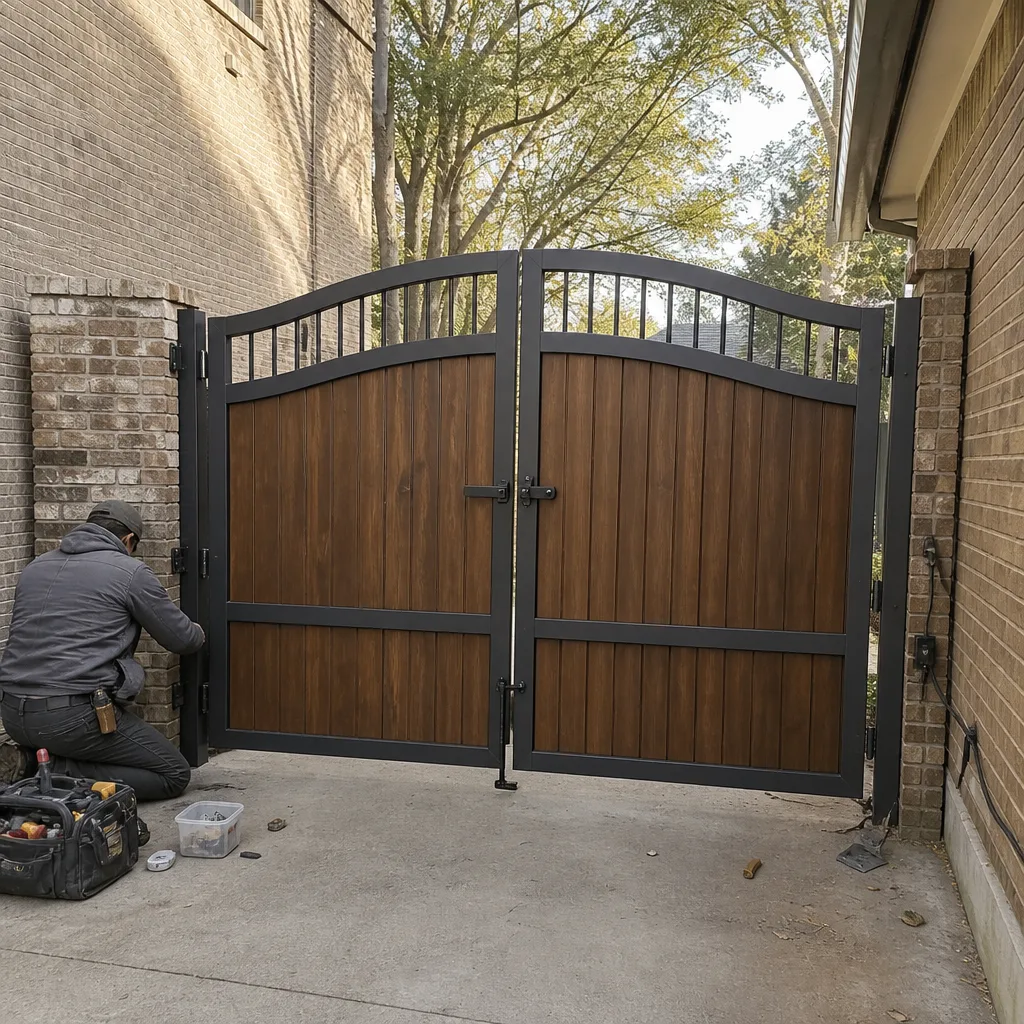
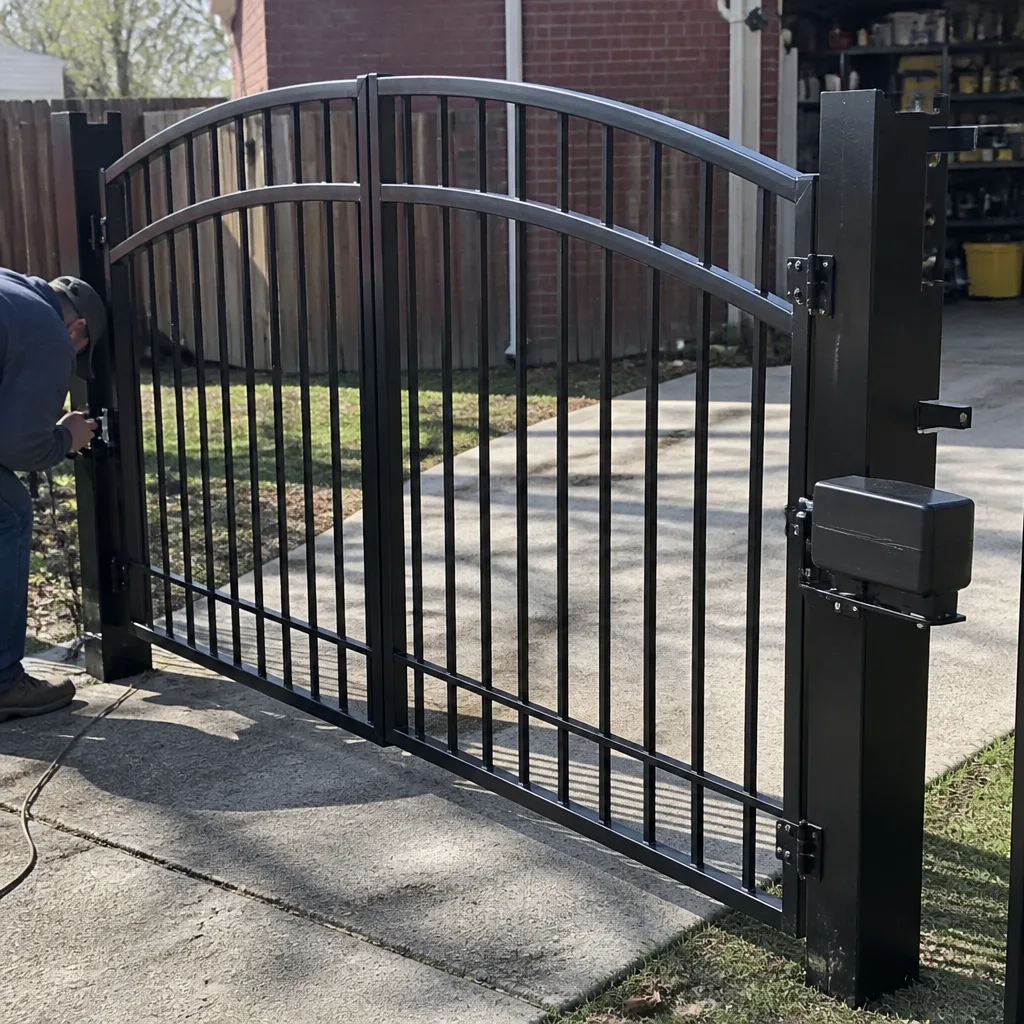
 Before
 After
After Before
 After
After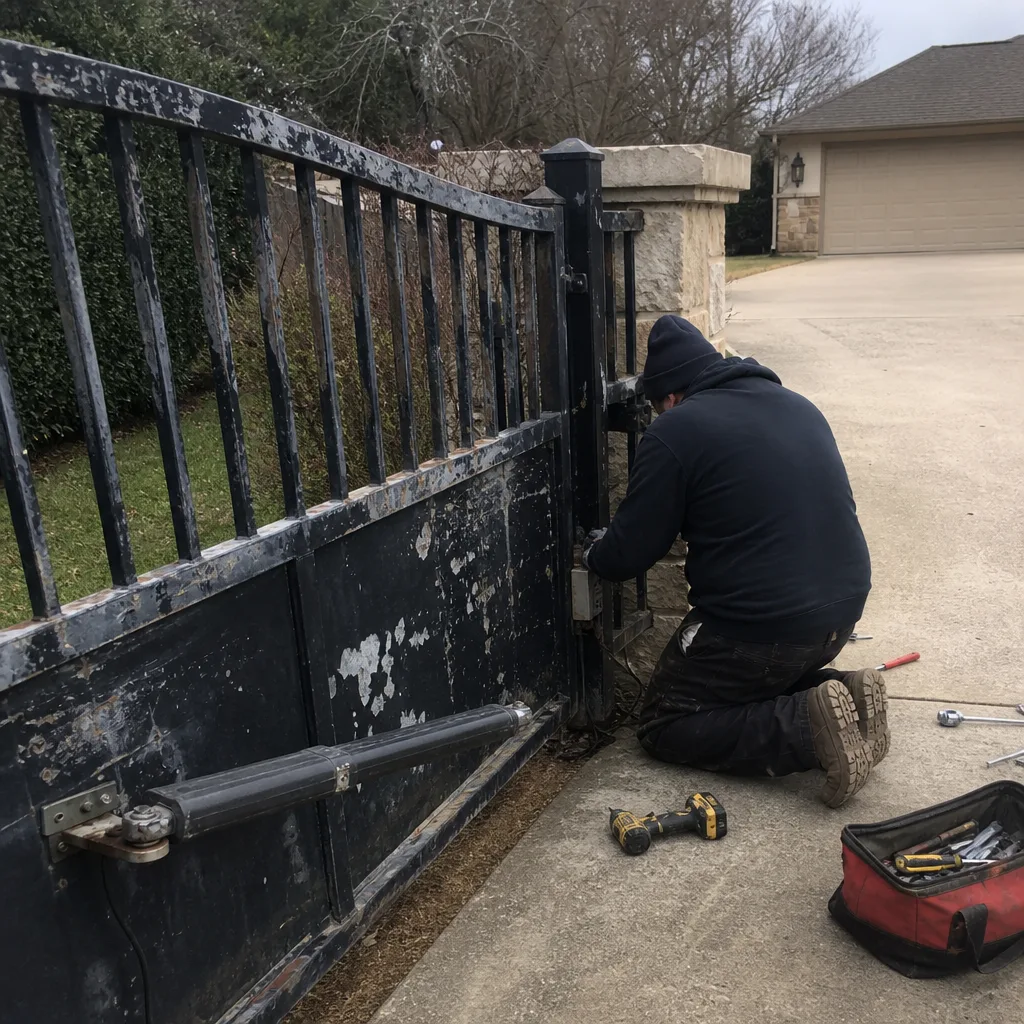 Before
 After
AfterFrequently Asked Questions
Once a year for the motor calibration and control board inspection, plus twice a year for the DIY lubrication and cleaning tasks you can handle yourself. Fort Worth’s clay soil and summer heat mean annual professional service catches post movement and thermal damage early. Call (817) 840-7067 to schedule an inspection – the quote is free and the price is set before work begins.
A full annual inspection and tune-up typically runs $95 to $150 in Fort Worth. Battery replacement adds $85 to $175 if needed. Post reset work runs higher at $350 to $900 depending on how far the post has moved. Every price is written down and agreed before the technician starts.
That’s thermal overload. The operator housing heats up under direct sun plus its own motor heat, and the control board trips to protect itself. Clearing vegetation around the housing and verifying ventilation clearance fixes many cases; a board that’s already damaged needs replacement. We see this pattern every summer across Fort Worth, especially on west-facing gates.
Yes. Water in Fort Worth’s clay soil expands when it freezes and pushes the post upward. When the thaw comes, the post doesn’t always settle back. The damage often isn’t visible until spring rain re-saturates the clay and the heave becomes obvious. A visible gap between the post and the concrete collar is the tell.
Our technicians work on LiftMaster, FAAC, BFT, Linear, Viking, Ghost Controls, DoorKing, Elite, and Mighty Mule. That covers the majority of residential gate systems installed across Fort Worth, so the right parts and the right diagnostic knowledge are matched to what’s already on your property.
No. Estimates are free. The price is written and agreed before any work starts, and it doesn’t change when the technician is on site. If you’re seeing any of the seasonal failure signs described in this guide, call (817) 840-7067 and describe what the gate is doing. We’ll tell you what’s likely wrong and what it’ll cost to fix.
The Bottom Line
Fort Worth’s climate damages gates in a predictable sequence: winter freezes move posts, spring clay heave reveals it, summer heat cooks the control board, and fall temperature drops expose the wrong lubricant. A seasonal inspection calendar built around that sequence prevents most failures before they happen. Three tasks are yours: lubricate the hinges in April and October, clean the photo-eyes quarterly, and clear the track before winter. One task belongs to a trained technician: motor torque, limit switch calibration, and board inspection once a year. That annual visit costs less than the control board it protects. Schedule it before the next hard freeze, not after the gate stops opening. For gate installation in Fort Worth, repairs, or a seasonal tune-up, call (817) 840-7067 and a live person answers, day or night.
Written by Lonnie Burke, Owner at Carver Gate Repair Fort Worth, serving Fort Worth since 2008. Explore more guides & resources on gate maintenance and repair.